
POST-PROCESSING and RECOVERY
Remember Creative Play
Stop Before You Drop
When it is time to recover and do your “post-processing” you will experience the pay off from the choices you have made along the way. Things like planning, patience, and mindful approach all contribute when it comes to taking care of boundaries and cropping out the irrelevant things.
- During the day, did you stop for a moment to actually think about what you are doing, where you are, what you see, hear, feel, and what is essential? Do you feel hustled, bustled, or overwhelmed? Do you feel like you hit the bullseye or has quantity trumped quality?
- Are you physically or mentally exhausted, or did you remember to listen the needs in your body and mind? Do you listen to them now when you stop? Do you stop?
- Are there opportunities to recover and processing things that have happened? Is recovery and care pleasurable and rewarding? Or does the idea of post-processing and recovery add to the feeling of stress?
For me, these questions are necessary places to pause and reflect each day.
Photography as a tool for recovery
The absence of presence is a sign of overloaded brain. If the stress continues, your body will gradually forget how to recover. Recovery skills must be re-learned.
As a hobby, photography can be a soothing mindfulness exercise. Stopping at what you see through your camera. Nothing needs to happen, you can record a stagnant moment, observe light, be a part of the nature. Or follow the hustle and bustle of others as an outside observer, beyond the hurry.
It can even be relaxing to be an external observer of an otherwise overwhelming environment.
Imagine sitting comfortably on the ridge of a hill watching the bustling traffic far down. You don’t have to interfere with it in any way, you can just notice that there they are, going places.
You can lay down on your back and watch the clouds fly past.
You have no part nor lot in their passage either.
Traffic and clouds are like your thoughts - you can notice them, but you don’t have to do anything. You can go back to that same emotional state for short moments in the cycle of everyday life. If you have a camera with you, you can take still snapshots to "stop" it all for a moment, crop manageable views of the whole.
When you are in a physically soothing environment, capture soothing memories. By photographing, you can increase your own resources.
If you feel overwhelmed, move into nature for a moment - a tree, a cactus or a flower pot is enough if that is all you can find. Observe, orient, notice.
When getting ready and gearing up for a photo shoot, remember appropriate equipment (especially lunch!). Observe your physical needs: sometimes you immerse yourself in photographing without noticing awkward posture, thirst or hunger.
The amount of post-processing
The camera is technically unable to reproduce everything of the subject or the mood and atmosphere in the shooting situation. The camera might sometimes capture irrelevant elements that can disturb the story and atmosphere. It can also be very difficult to capture the feeling shared between the photographer and the subject, the connection which faded away everything else around them in that moment. Post-processing is often needed to recreate and transmit the true feel of the situation to the viewer.
We should consider how image processing, or lack of it, can support communication through the image. Does the image show what you want to transmit to the viewer about the subject or situation? Does post-processing help you express your story, your emotional state, or the mood of the moment? Is your characteristic, recognisable style and sound and your art, created by post-processing?
Photographing is subjective. How you see, feel, crop etc. are characteristic to you - the photographer standing next to you sees and makes choices quite differently. This goes for post-processing too: what you decide to do is unique to you, just as there was a vision and a feeling and a sense of mood when you took the picture.
The purpose of post-processing is not to show how skilled you are in image processing. At its best, the viewer pays no attention to it, the image itself is fascinating. Be mindful of the effect your post-processing will have on your viewer.
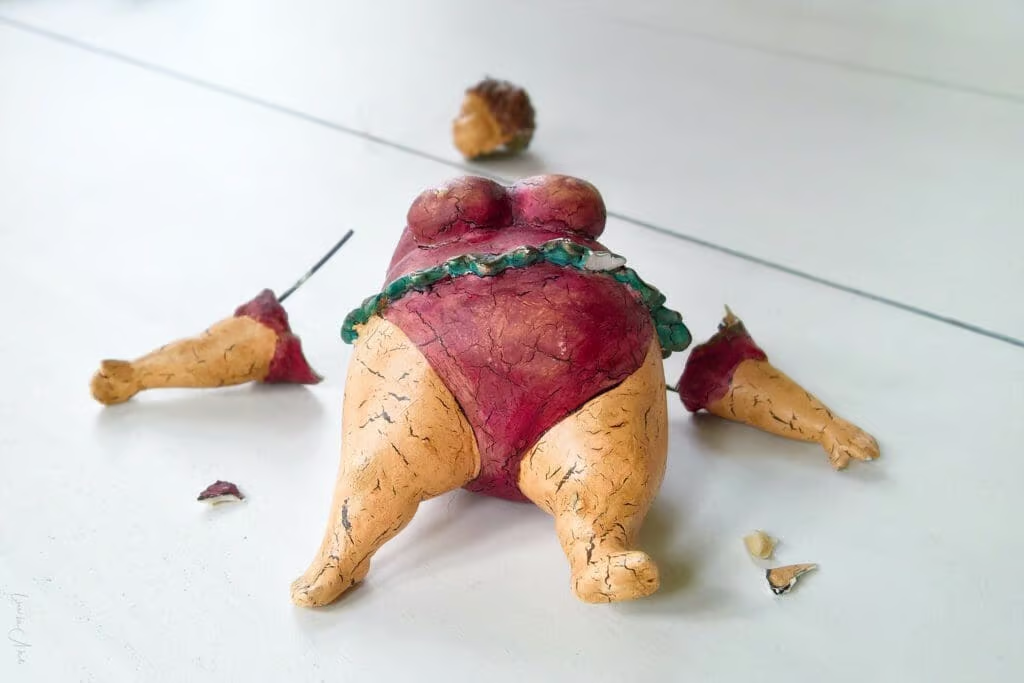
”When the lights go out, you can see it all
When the lights go out, you stay awake
You close your eyes and breathe
You can still get through it all
Someone took your strength even though you shouted no
This is the highway of insanity
Open your eyes and breath,
maybe tomorrow you'll understand
You're still alive! You're still alive!"
Haloo Helsinki: Hulluuden highway, Highway of Insanity
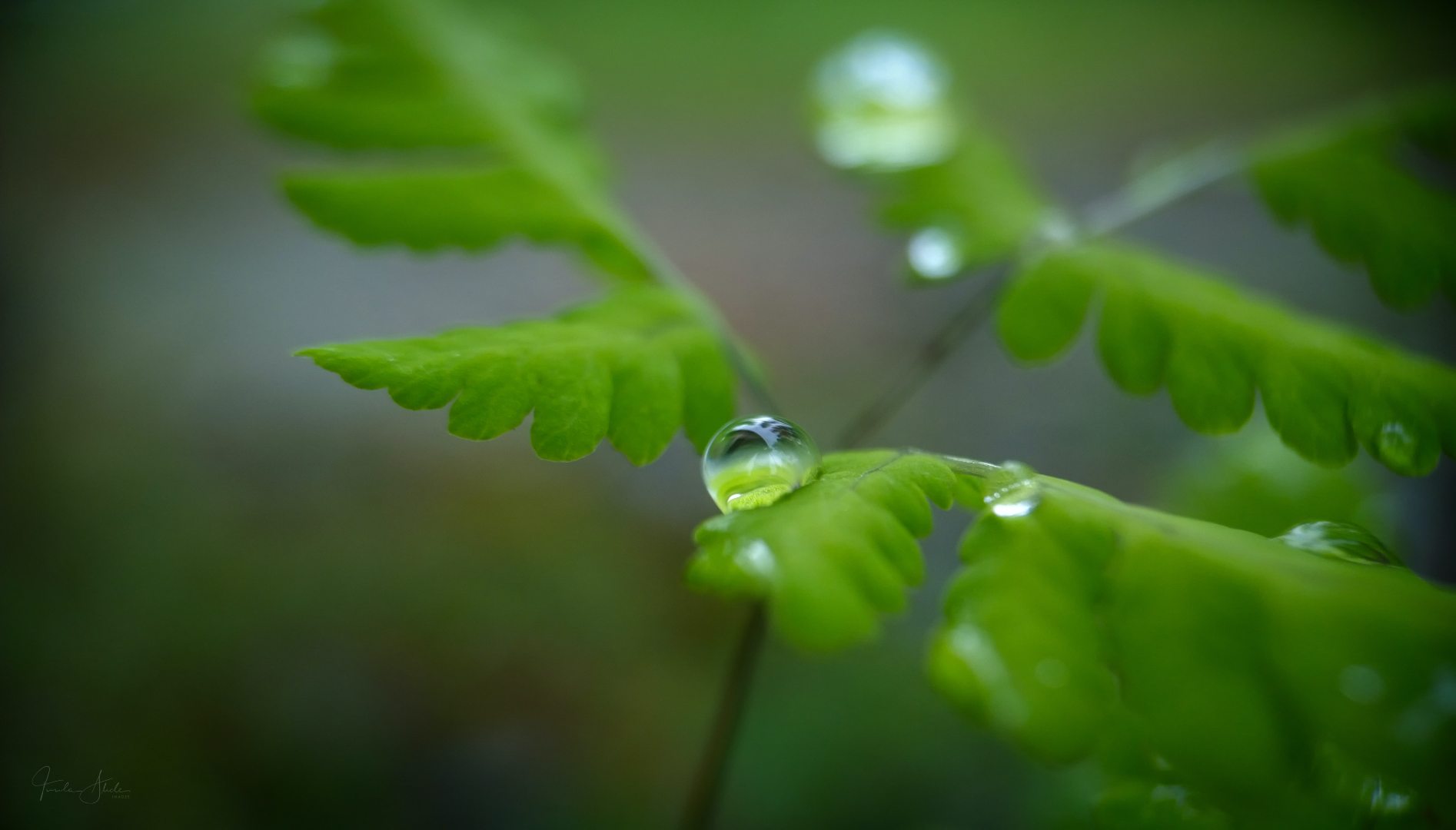
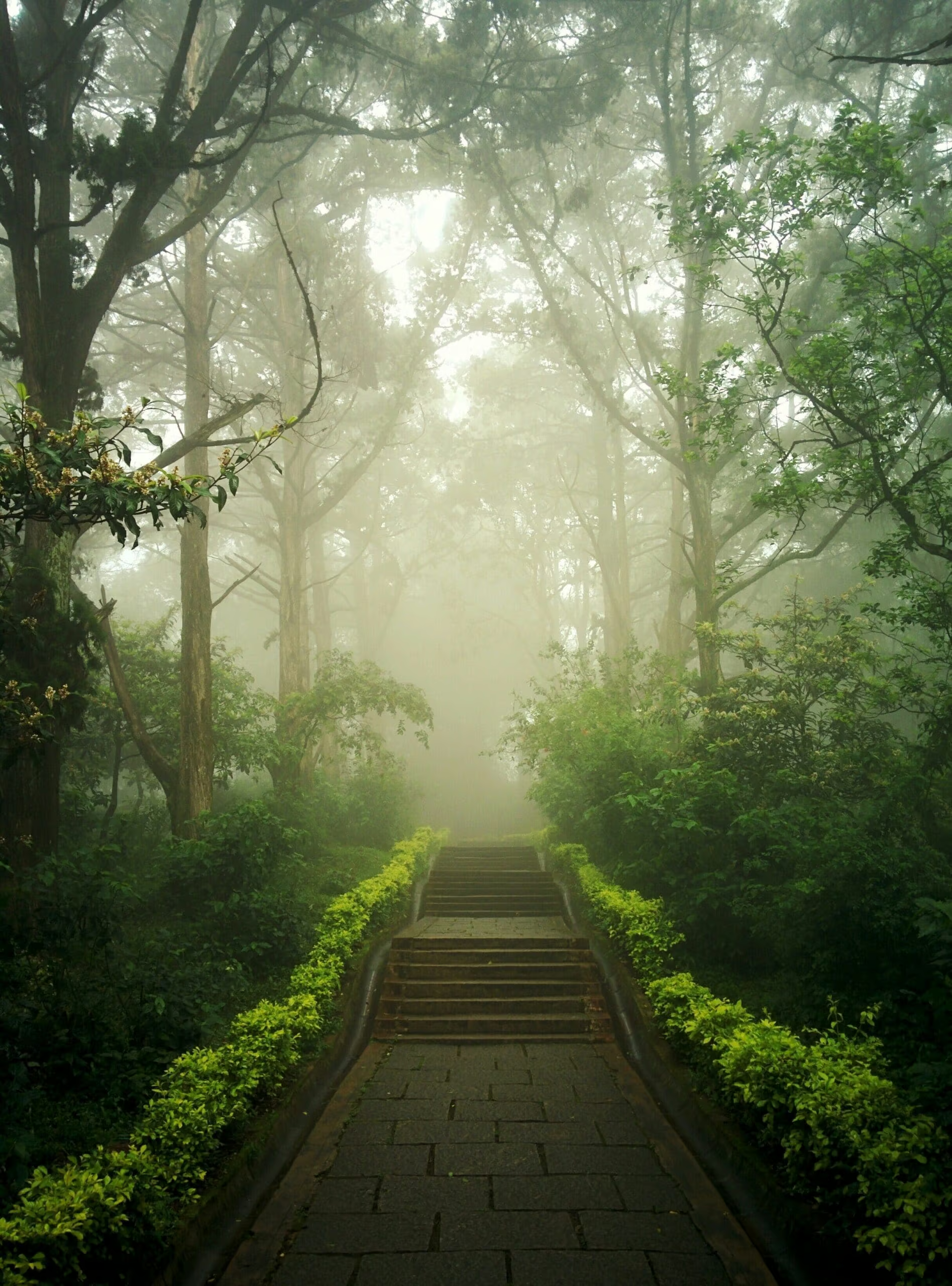
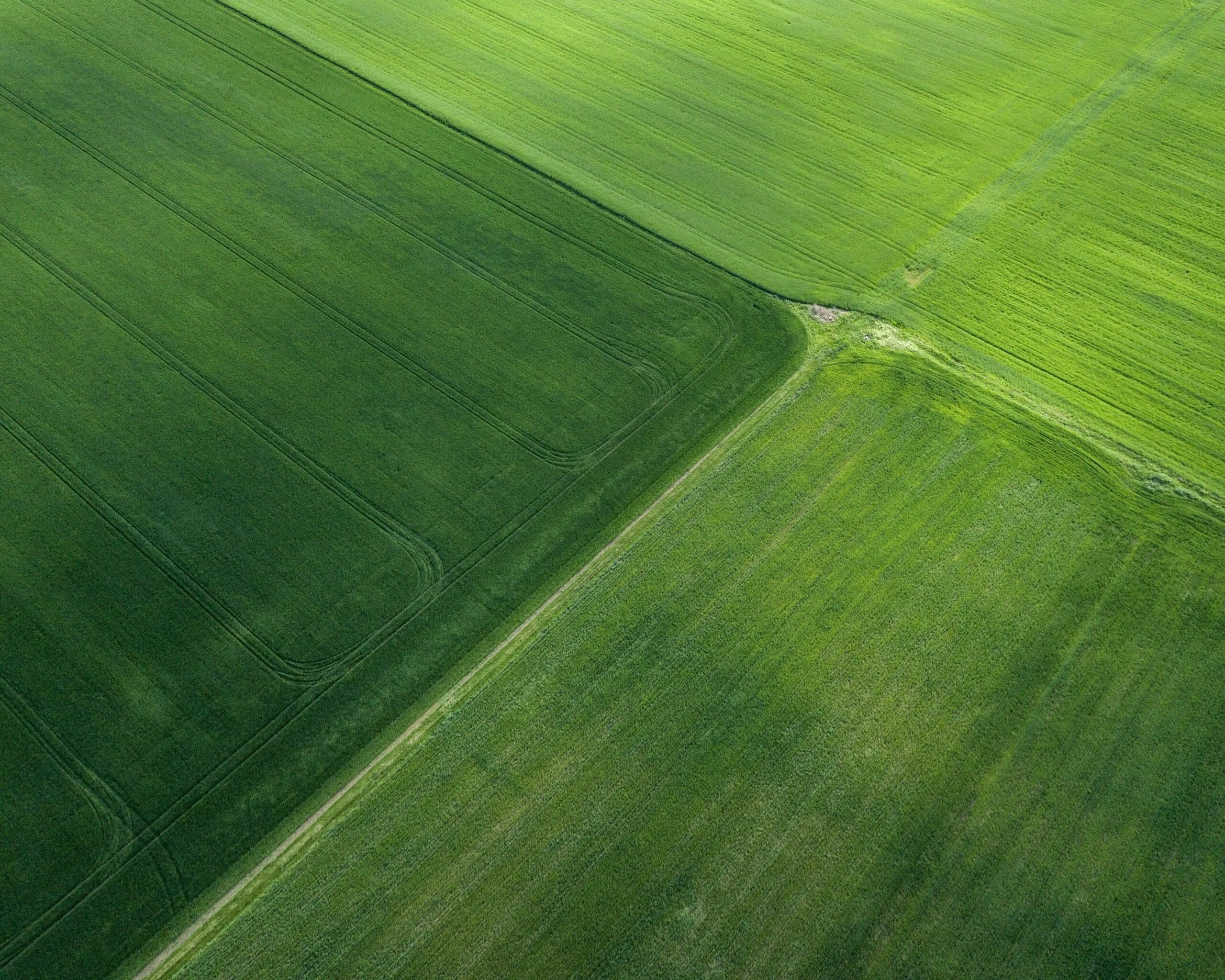
According to a study by Kim Cameron, watching a green nature picture for 40 seconds gives you energy and improves your concentration.
It also activates your parasympathetic nervous system and calms you down.
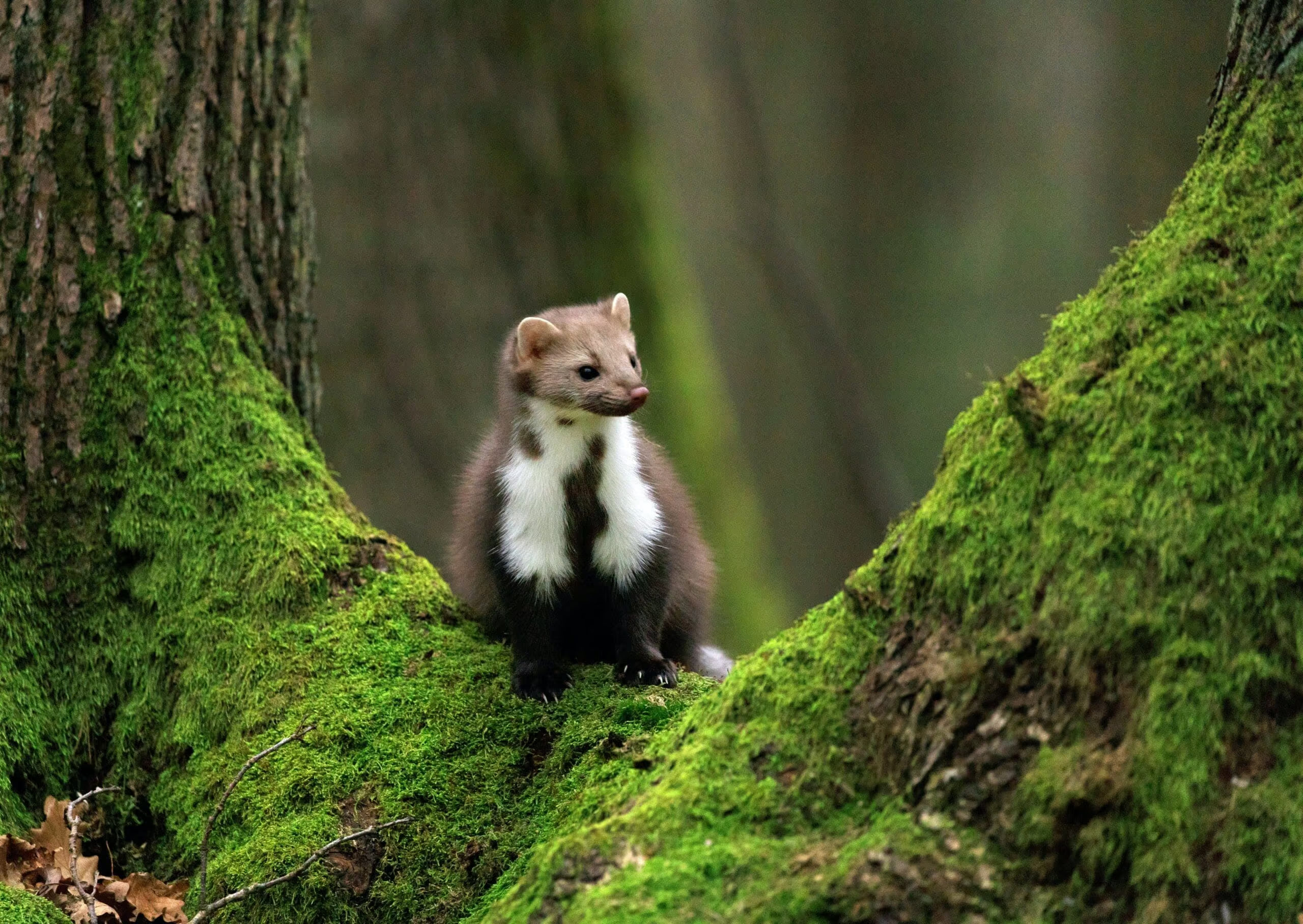
YOU ARE ALLOWED TO BE CREATIVE
with your photos.
Create imaginary worlds,
sceneries and atmospheres.
BE HONEST AND CONFIDENTLY PRESENT YOUR ART.
PROMPTS | Part 6
1. Creativity and Play as a Tool for Recovery: Play with Image Processing
Play without any restrictions. Try something new, something different from your usual way of post-processing: emphasize the mood or change it completely. An image can also change its meaning through processing, bring out, tell about different things than the original. No rules. Stop at the point where the image looks appealing and you’re happy with it. Feel it in your gut.
(Photoshop, Gimp (free), Snapseed (for mobile devices) etc.)
Undo if needed: Sometimes you find it worthwhile to go few steps backwards if you notice something essential has been lost during processing. Did cropping or processing the image ruin the atmosphere or the story, or did they emphasize what you want? Find the stage where the change took place and use the information as a lesson. Feel it. Time was not wasted, you are exploring limits.
2. Winter Apple Room: A Place For Recovery, No Shields Needed
Read or listen the story of the Winter Apple Room.
In your mind create an image of your own Winter Apple Room, a place where you can relax, recover and feel enough.
Take a photo to remind you of this place.
Note that the image does not have to be an actual place, the image just has something which will take you to a peaceful space and atmosphere in your mind, your memories or in your dreams.
Upload your photos to the Photoyoga WhatsApp Group
Mark your photos: CREATIVE PLAY and WINTER APPLE ROOM
“You can pretend to be asleep, but you can't pretend to be awake.”
Unknown
©2017-2026 by Fotojoogaa mielelle Photoyoga For The Mind
Copying and unauthorised use of images and site content are strictly prohibited. This site and all material are for participants' personal use only.
Photoyoga on Social Media
Facebook: Fotojooga on Facebook | Instagram: @fotojooga
Email: fotojooga (a) gmail.com